Table Of Content

When a design is unbalanced, the individual elements dominate the whole and the composition becomes less than the sum of its parts. In some projects, unbalanced might be right for the message you’re trying to communicate, but generally you want balanced compositions. While some of its elements might be focal points and attract your eye, no one area of the composition draws your eye so much that you can’t see the other areas.
Translational Symmetry
An asymmetrical design better reflects innovative and disruptive styles. Visual balance is a fundamental principle that influences user experience and is crucial in guiding a viewer’s attention. A well-balanced user interface makes it easier for users to navigate and interact with a digital product. Understanding the concepts of asymmetry and symmetry in UX or graphic design is essential for creating visually appealing and user-friendly digital products. Rotational symmetry occurs when an element or a group of elements can be rotated around a central point and still maintains its original appearance. It is commonly observed in elements like spirals, columns, and staircases, where repeating patterns rotate around a central axis.
Biological Symmetry
I started this series to show how all of these principles arise out of human perception and gestalt theory. The principles are based on how we all perceive and interpret our visual environment. I’m not going to try to figure out which elements counterbalance each other, one element at a time, but hopefully you agree that there’s an overall balance.
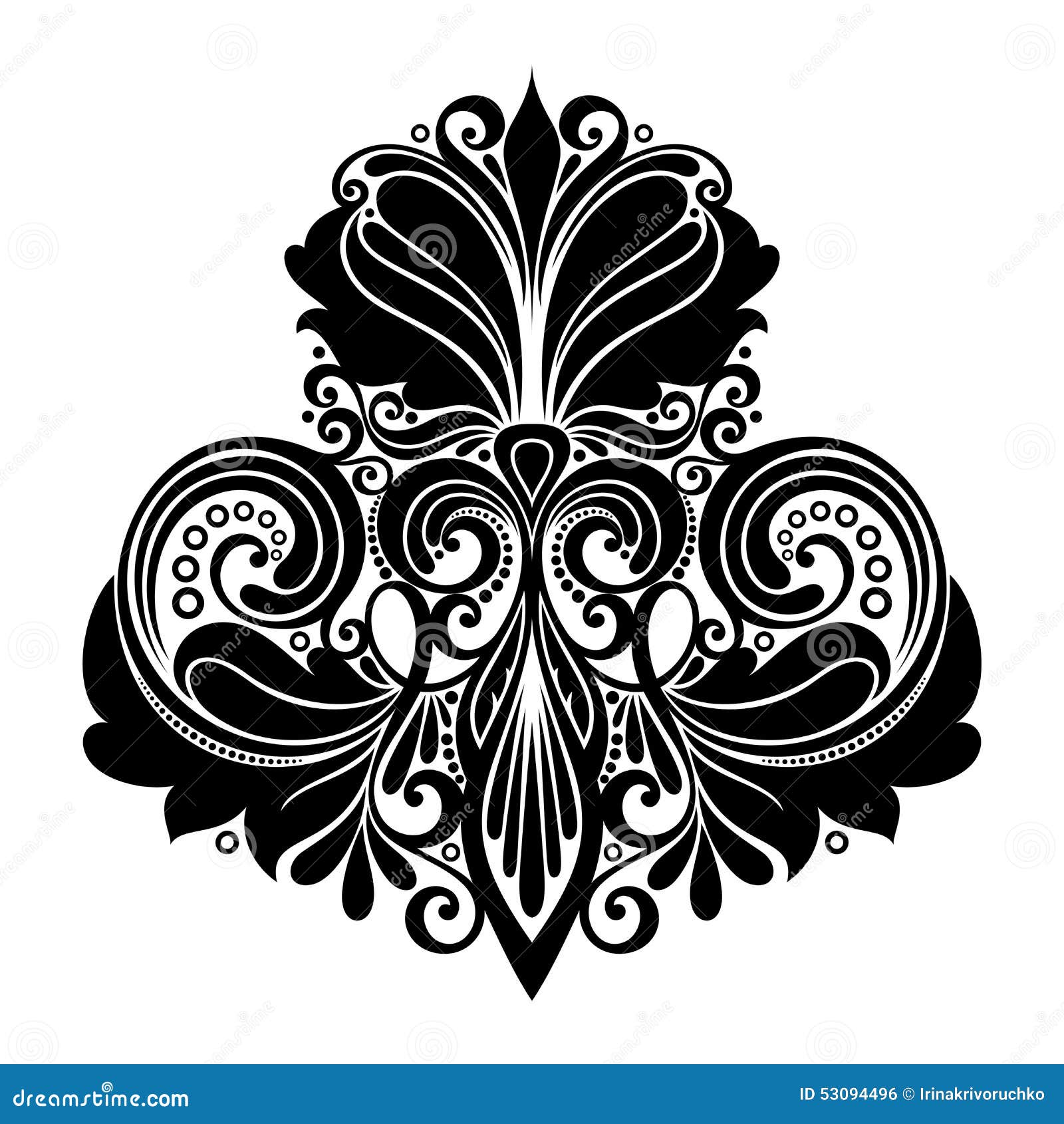
Translational symmetry
Asymmetrical balance is often more dynamic and can create a sense of movement and energy in the design. In conclusion, asymmetrical balance is a powerful tool in modern design. By using different elements to create a sense of equilibrium, designers can create dynamic and engaging compositions that catch the viewer’s attention. Asymmetry can be used to create a sense of movement, direction, and energy, which is particularly effective in the fast-paced world of modern design.
Definition of Symmetry in Graphic Design
The Paradox of Symmetry and Grace in the Repetition of Architectural Elements - ArchDaily
The Paradox of Symmetry and Grace in the Repetition of Architectural Elements.
Posted: Mon, 08 Jan 2024 08:00:00 GMT [source]
And such near-perfect symmetry has always been considered as aesthetically pleasing, even today. Thus, the choice is truly between a classical, stable, formal expression vs. a more modern, dynamic expression, as exemplified in the two types of balance we will explore within this text. Symmetry is a visual balance achieved by arranging elements to mirror each other or follow a pattern. In design, this often means creating compositions where elements on one side of an axis are reflected or repeated on the other side, producing a sense of harmony and order. Effortlessly incorporate visual balance in your designs with UXPin, an end-to-end design tool that makes it easy for you to build, share, and hand over prototypes for development.
Design 101: Asymmetrical and Symmetrical Balance
Consider cultural and contextual factors when choosing to use asymmetry vs. symmetry. Some cultures may have specific associations with certain design principles, so it’s essential to understand your audience’s cultural background. Asymmetry and symmetry are two contrasting approaches to achieving visual balance in design. When a user interface is balanced, it creates order and stability, putting users at ease and allowing them to focus on content and completing tasks.
Get the Creative Bloq Newsletter
This concept is further accentuated by the thoughtful placement of furniture and decor, strategically arranged to maintain equilibrium and visual cohesion throughout the interiors. Symmetrical design elements in residential spaces contribute to a sense of stability and comfort, enhancing the overall experience of the inhabitants and creating an inviting and soothing ambiance. Both symmetry and asymmetry can be used throughout a composition, independent of, yet while contributing to, the final balance. You can have symmetrical forms in an asymmetrically balanced composition and vice versa. Symmetrical balance occurs when your composition has the same visual weight on each side of an axis.
Louisiana Sportsman - Louisiana Sportsman
Louisiana Sportsman.
Posted: Fri, 26 Jan 2024 15:02:46 GMT [source]
This cubist self portrait of Philippines based illustrator Mags Ocampo is as beautiful as they come when it comes to incorporating symmetry into the design. Created as part of her graphic design homework, we think it's truly a work of art. Each approach has unique benefits and challenges, and understanding both can empower designers to make informed decisions about which method best suits their project. By the end of this article, you’ll clearly understand these concepts and how to apply them to your product design workflow.
Great Sites for UI Design Patterns
In conclusion, symmetry is a fundamental aspect of the natural world, and its presence can be observed in various forms. From biological symmetry to natural patterns and structures, symmetry is an essential component of the universe. To learn more about symmetry in the natural world, check out this article by National Geographic.
"After 500 posts this little art project gathered an impressive audience." Take a look at the video above for a tiny snippet of the world of Geometry Daily. These top uses of symmetry in design offer up a reflected sense of illustrated inspiration. Content-heavy websites such as news and magazine websites exhibit mosaic balance as well. In the screenshot, I’ve removed the background image behind the top of the page. There was certainly a random and chaotic feel with the letters strewn about, but the balance in the composition works.
Asymmetrical balance is when you have two dissimilar sides of a design and have positioned visual weight unequally, and yet you’ve still achieved a sense of balance. Symmetrical balance, on the other hand, is when you have two identical sides of a design with equal weight on either side of a central point of axis. It will also likely take less effort to figure out how to create them in a compositional manner.
Asymmetry, on the other hand, can develop strong points of interest, uniqueness, and character. Using symmetry and asymmetry in their various forms can do a lot for our designs. Forever Heavy Forever Heavy is another mainly centered design, with its design components more or less centered and reflected horizontally.
Glide Reflectional Symmetry - If you’ve ever seen footprints in the sand or snow, you’ve seen glide reflectional symmetry in action. The idea is simple; you reflect the image but then move the copy so that it is no longer opposite the original image. Instead, you’ve made the copy seem like it’s changed in a specific way. You may have inverted it or made it look like it’s drifting away, conveying the impression of movement in a direction. We find perfect symmetry when two mirrored sides are exactly the same.
The text below the grid seems to hang from it, and it’s light enough on its own not to throw the composition out of balance. The distance to an imagined fulcrum is about the same as the weights. The text on the right is larger and darker overall, but the blue circular logo gives more weight to its general area.
In Chinese culture, the yin and yang symbol represents the balance between opposing forces. The symbol is made up of two halves, one black and one white, which are mirror images of each other. This balance is essential to the concept of harmony in Chinese culture. Similarly, in Hinduism, the mandala is a symmetrical design that represents the universe and the balance between opposing forces. The mandala is often used in meditation to bring balance and order to the mind. When designing an asymmetrical structure, architects must also consider the placement of elements.



No comments:
Post a Comment